

Kitchen Canopy Cleaning vs Hood Cleaning: What's the Difference?
In the commercial kitchen industry, terminology can create real confusion. A kitchen manager who books a "hood clean" may receive a very different scope of work than one who books a "canopy clean," depending on the service provider. Knowing exactly what each term means, and what each service covers, can help you stay fire-safe, compliant, and free from unexpected costs. East Victoria Park-based providers serving Joondalup, WA, may use these terms differently, so it pays to ask the right questions before booking.
What Is Kitchen Canopy Cleaning?
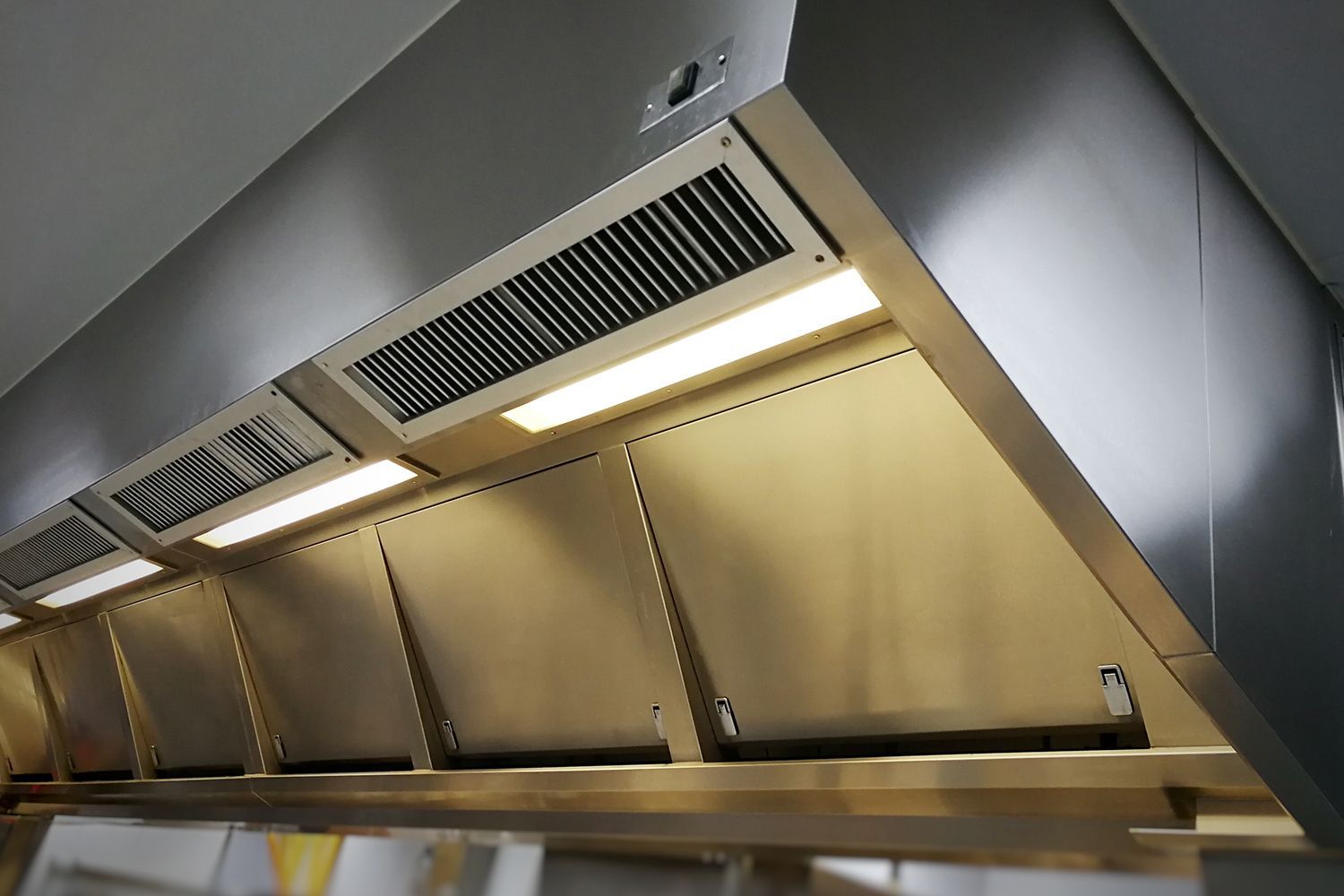
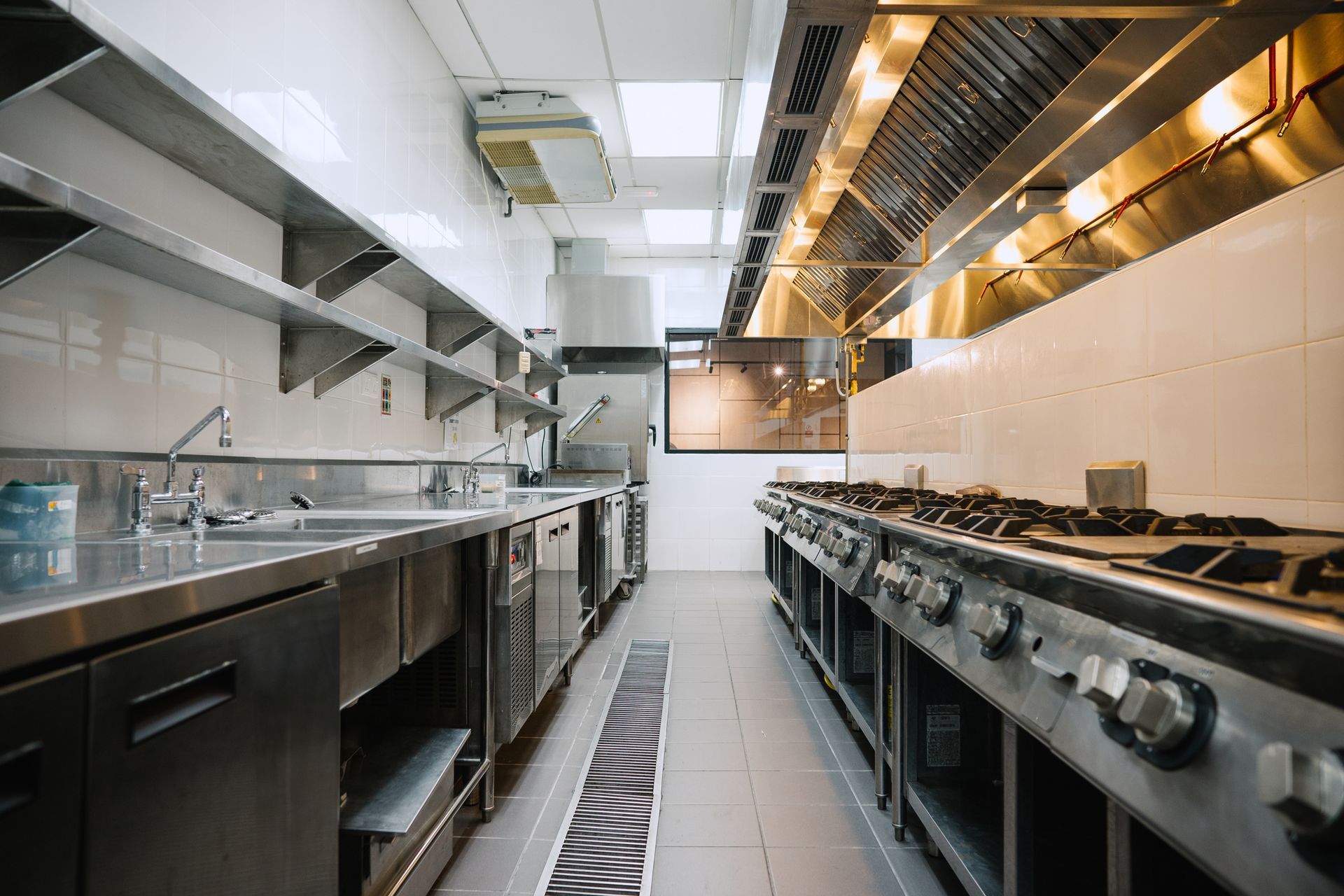
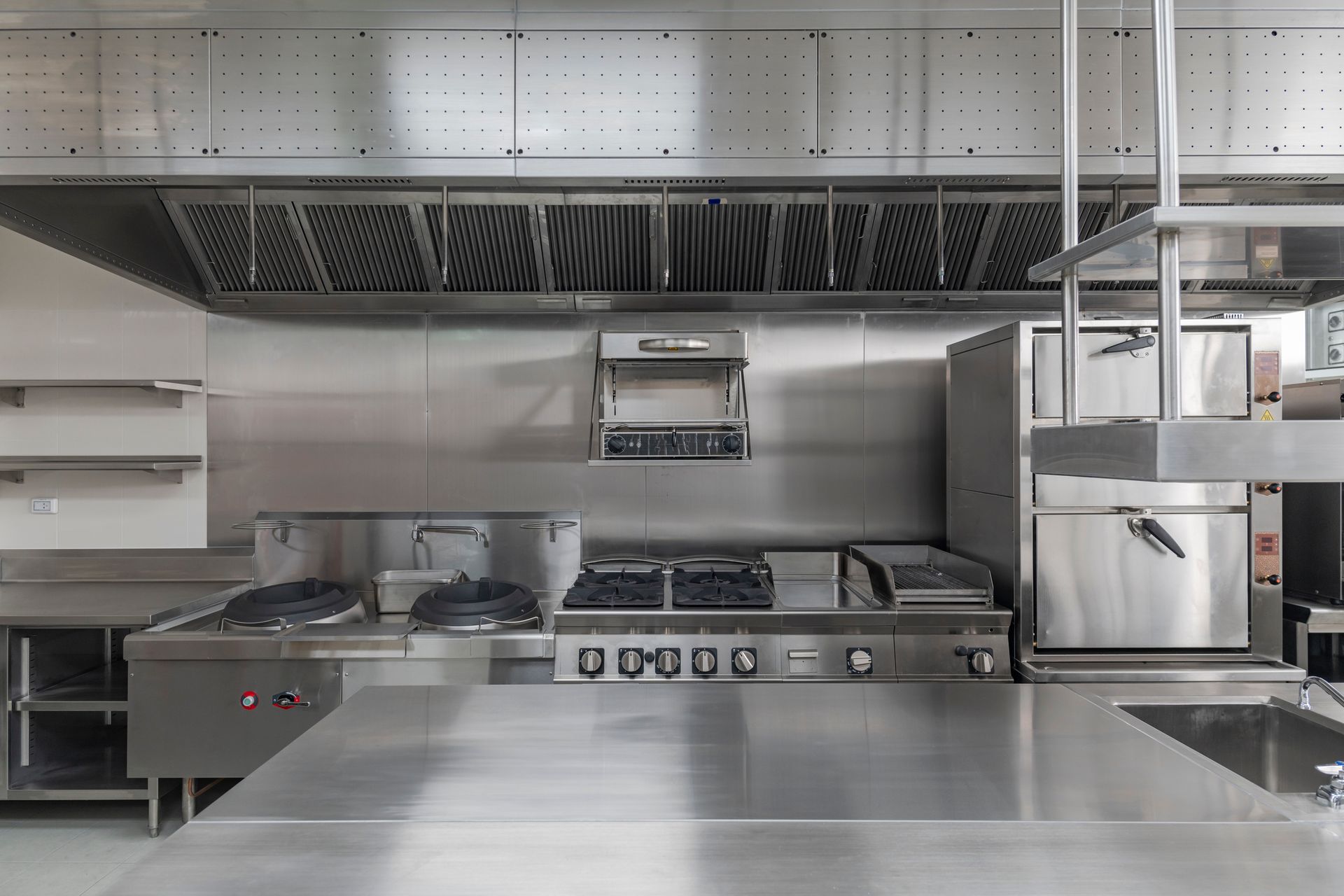
Kitchen Canopy Cleaning focuses on the visible hood structure above your cooking equipment. The canopy is the large, box-like enclosure you see overhead in a commercial kitchen. It captures grease-laden vapor, smoke, and steam before they spread into the rest of the kitchen.
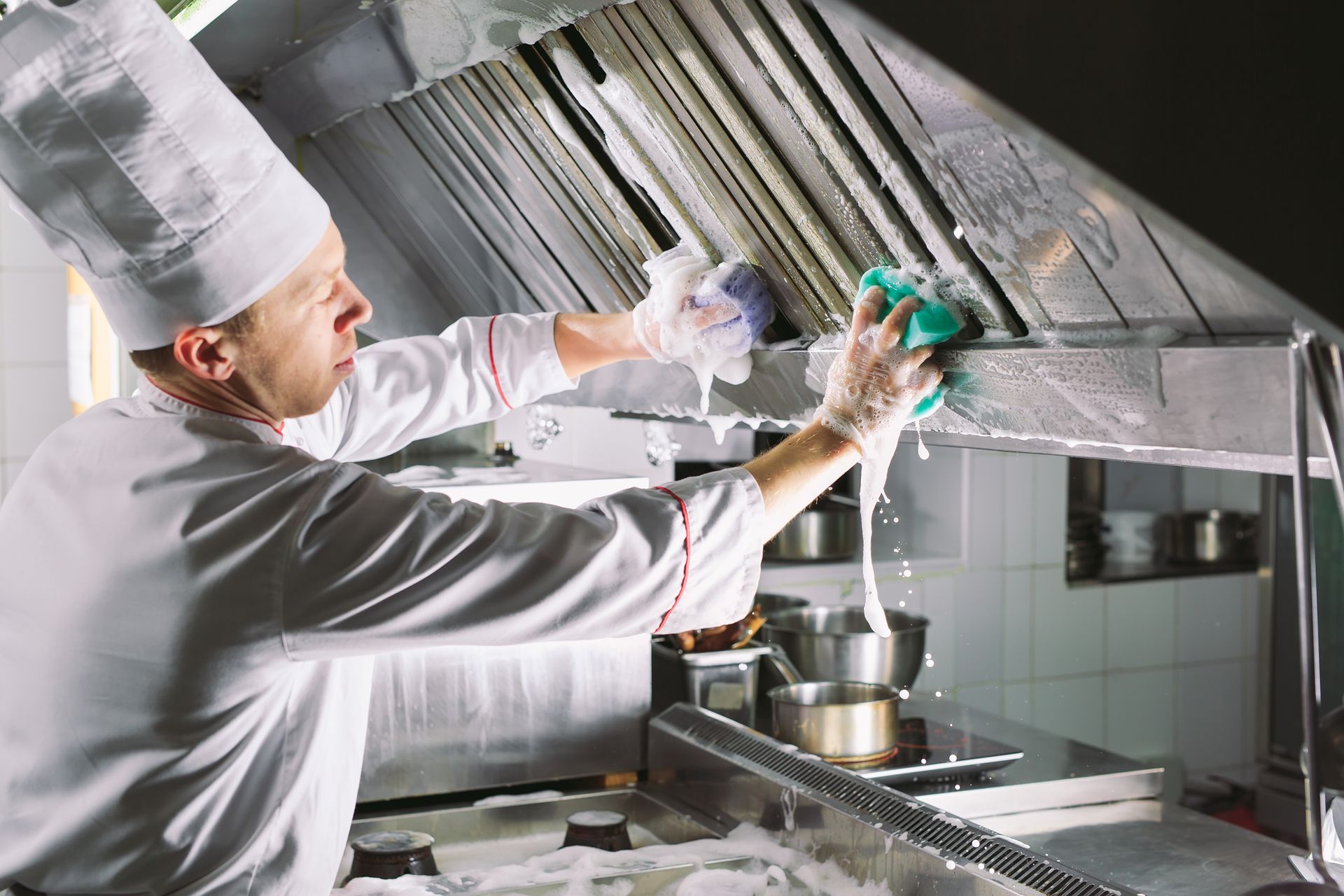
A canopy clean typically covers the interior and exterior surfaces of that enclosure, including the grease collection trays and the filter bays. Technicians use chemical washing methods to break down grease buildup on these surfaces. This work is mostly surface-level, meaning it addresses the parts of the system you can see and reach from the kitchen floor.
Kitchen Canopy Cleaning is often the minimum service required to pass a routine health or fire safety inspection. Regular canopy cleaning can reduce grease accumulation and lower the risk of a grease fire starting at the source.
What Does Commercial Kitchen Hood Cleaning Cover?
Commercial Kitchen Hood Cleaning is a broader, more complete service. It goes beyond the canopy surfaces to include the full exhaust pathway, meaning the ductwork, the exhaust fan on the roof, and all accessible components in between.
Here is a typical scope breakdown for a full hood clean:
- Canopy interior and exterior surfaces, including baffles and grease trays.
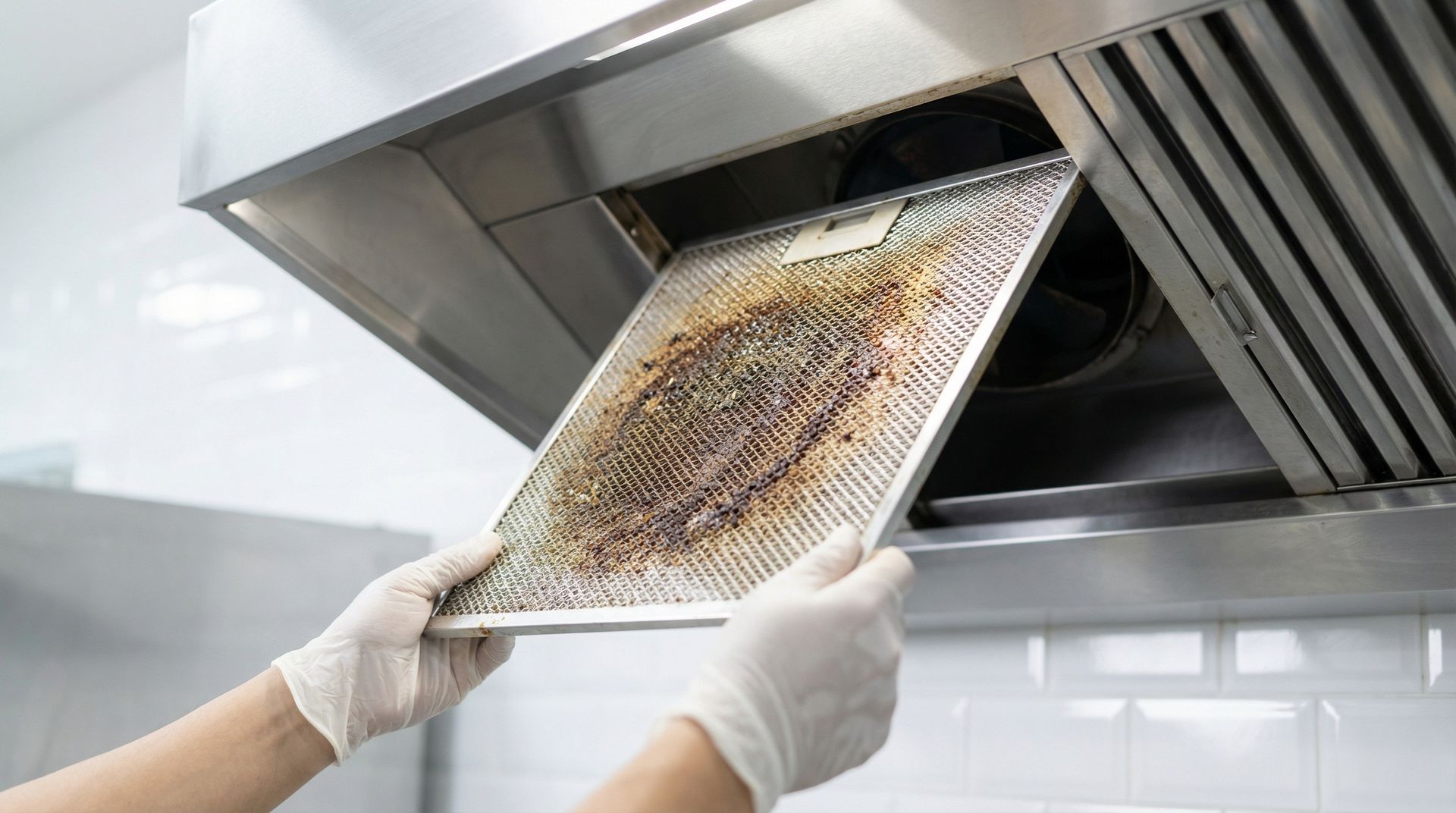
- Grease filters, which may be cleaned in place or exchanged for pre-cleaned units.
- The exhaust duct running from the canopy through the ceiling and roof.
- The rooftop exhaust fan, including the fan blades and fan housing.
- All accessible duct access panels and joints along the run.
This level of service may be required to meet Australian Standards (AS 1851) and can be necessary for insurance compliance. Some insurance policies may not cover fire damage if the exhaust system has not been properly maintained. Commercial Kitchen Hood Cleaning in Joondalup, WA, carried out to a full-system standard, helps protect both the building and the people working in it.
Why the Difference Matters for Compliance
Compliance is the reason this distinction can carry real financial and legal weight. A canopy-only clean may leave ductwork grease deposits untouched. Those deposits can accumulate over months and become a significant fire hazard.
Regulatory bodies and insurers in Western Australia often distinguish between the two levels of service. When a service provider documents a clean, the inspection report should specify exactly what was covered. Before and after photos and a written service report can help you demonstrate the scope of work completed at any time, including during an insurance claim or council inspection.
If your kitchen runs high-volume cooking, such as in a hotel, hospital, or busy restaurant, a canopy-only clean on a routine cycle may not be sufficient. The volume of grease produced can saturate ducts faster than lower-output kitchens. Scheduling Commercial Kitchen Hood Cleaning at appropriate intervals may provide better protection in these high-output environments.
How Often Should Each Service Be Scheduled?
Frequency depends on the type and volume of cooking. High-output kitchens, such as those with chargrills or woks, may need a full hood clean every one to three months. Lower-output kitchens, such as school cafeterias or small cafes, may manage with a canopy clean every three to six months. A qualified technician can assess your system and recommend a schedule suited to your actual cooking load.
Can You Do a Canopy Clean Without a Full Hood Clean?
Yes, a canopy clean can be done as a standalone service, and it may be appropriate for lower-risk environments or as an interim clean between full hood services. However, it should not be treated as a permanent substitute for a full hood clean in high-use kitchens. Think of canopy cleaning as routine maintenance, and full hood cleaning as the deeper service that supports long-term fire safety and compliance.
How Do You Know Which Service Your Kitchen Needs?
The best way to determine what your kitchen needs is to have a qualified technician inspect the full exhaust system, including the duct run and rooftop fan. They can assess grease buildup levels throughout the system and recommend a service scope and frequency that fits your operation. Asking for a written quote that clearly outlines what is and is not included in the service can also help you compare providers accurately.
Get the Right Service for Your Joondalup Kitchen
East Victoria Park-based Metro Filters proudly serves commercial kitchens across Joondalup, WA, and the wider Perth Metro area, delivering both canopy cleaning and Commercial Kitchen Hood Cleaning services. Whether your kitchen needs a targeted canopy clean or a complete top-to-bottom hood clean, the team can assess your system and recommend the right scope of work.
To learn more about what a full service covers, visit the commercial exhaust cleaning services page. To book a service or request a quote, reach the team via the contact page or call 08 9470 2004.
You can also find Metro Filters on Google to read reviews and connect with the team directly.