

Commercial Kitchen Hood Cleaning vs Canopy Cleaning: What Every Kitchen Needs to Know
Commercial kitchens in Joondalup, WA, often deal with confusion between two closely related but distinct services: commercial kitchen hood cleaning and canopy cleaning. Understanding what each service covers, how they differ, and why both are typically needed can help kitchen operators stay safe, compliant, and insured.
What Is Commercial Kitchen Hood Cleaning?
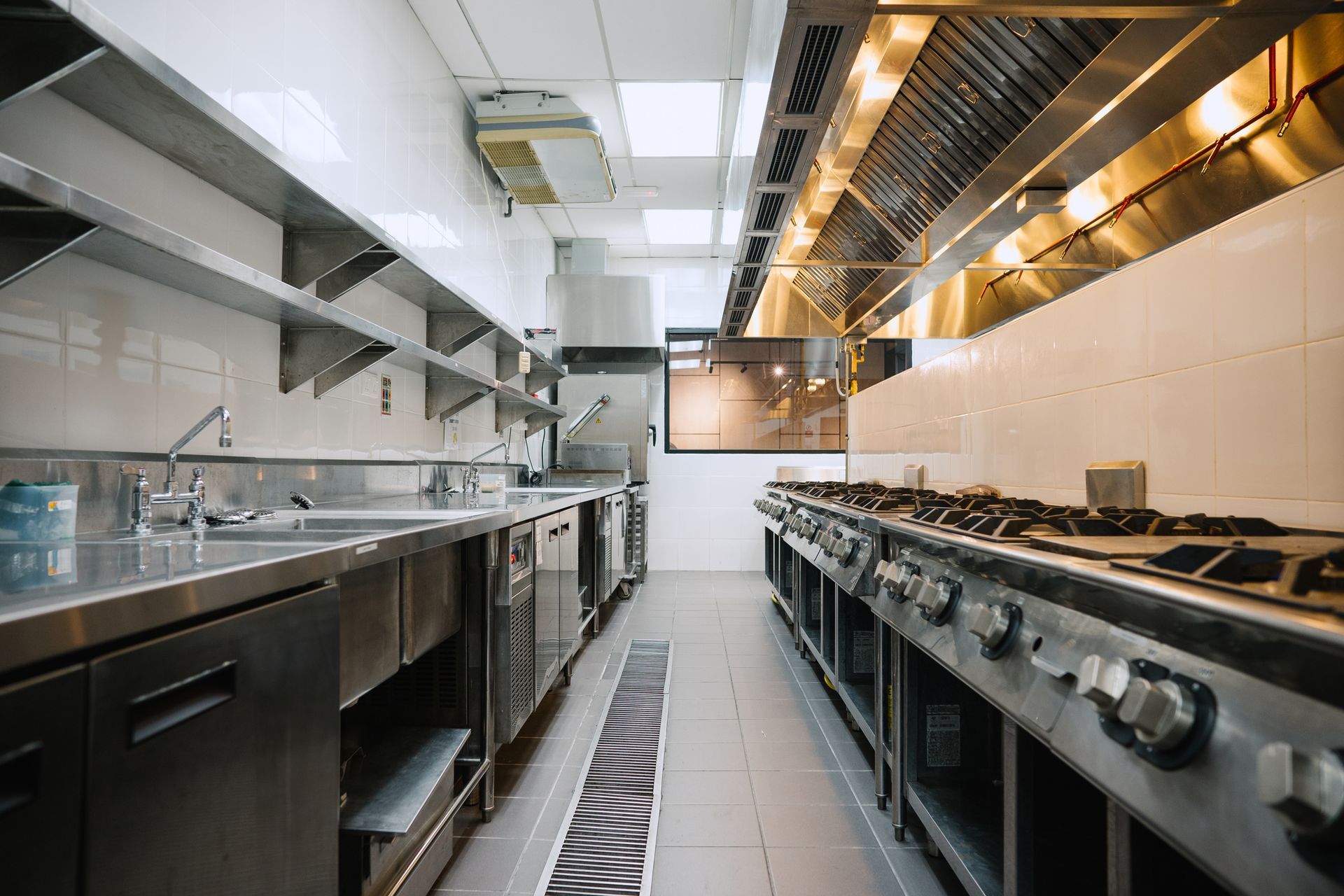
Hood cleaning goes well beyond the surface. It is a deep-clean process covering the entire exhaust system behind and above the canopy. This includes the internal plenum chamber, the grease duct running from the canopy to the roof, and the exhaust fan itself. Technicians use specialised chemical washing to strip built-up grease from every accessible surface inside the system.
The goal is to reduce the risk of a grease fire spreading through the ductwork. Grease that accumulates inside ducts and on fan blades can ignite under the right conditions, and a fire in an enclosed duct travels fast. Businesses in Edgewater and Currambine, like kitchens across greater Perth, can face this risk if internal ductwork goes uncleaned for extended periods.
Commercial kitchen hood cleaning serving Joondalup addresses the components that kitchen staff cannot see or reach during daily operations. Scheduling regular commercial kitchen hood cleaning is one of the most effective steps a kitchen operator can take to reduce fire risk across the entire exhaust system.
What Is Canopy Cleaning?
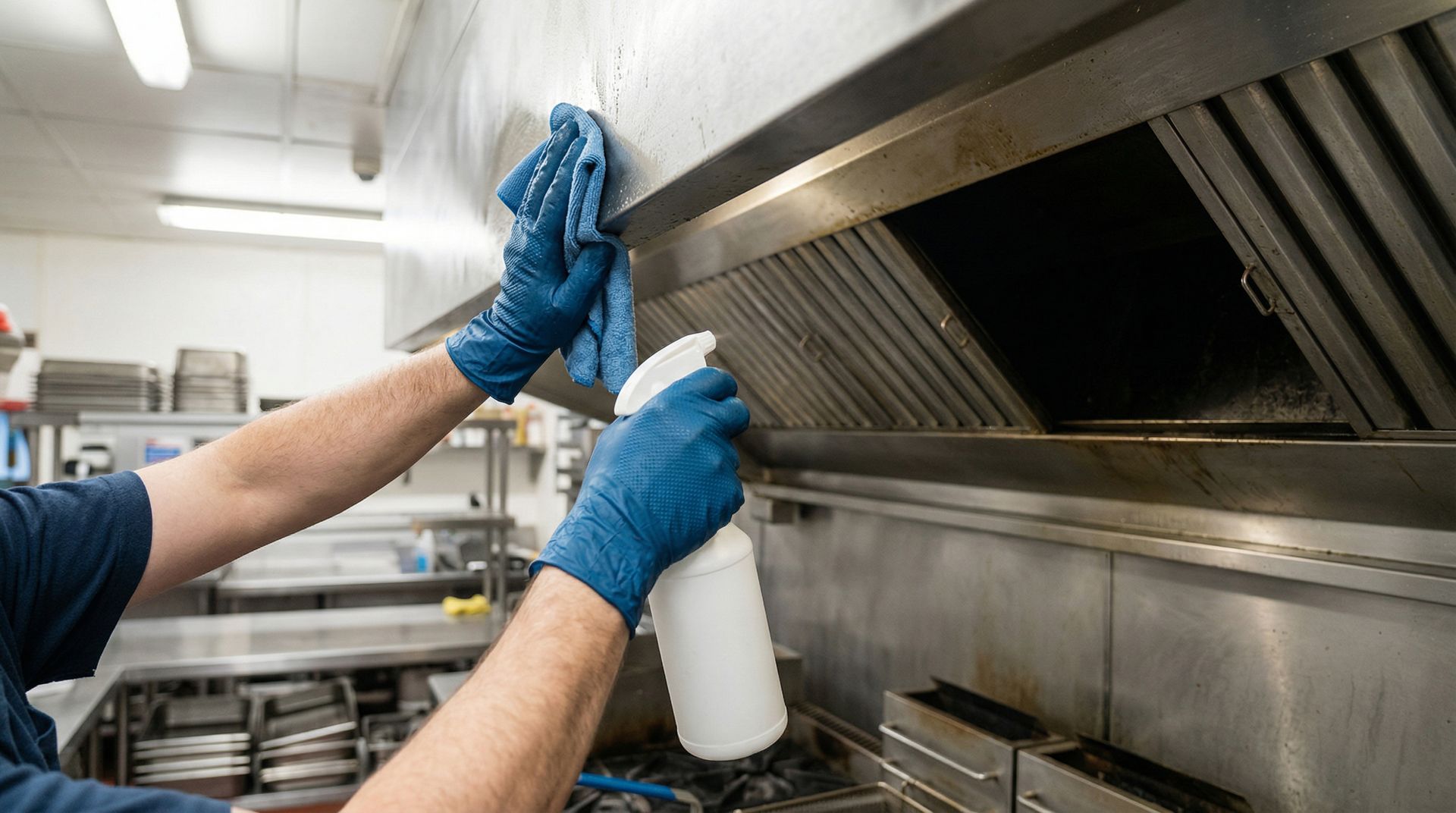
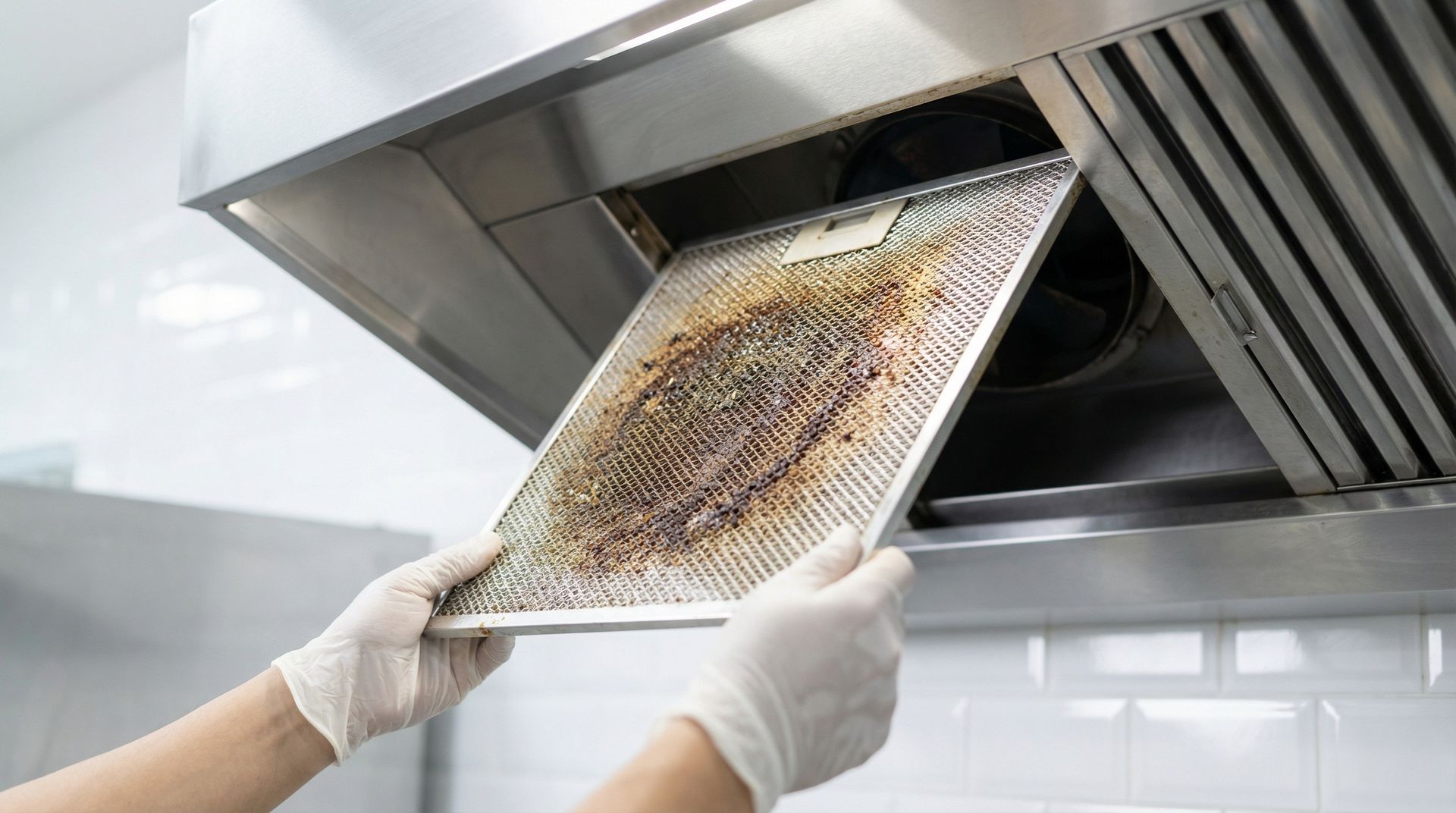
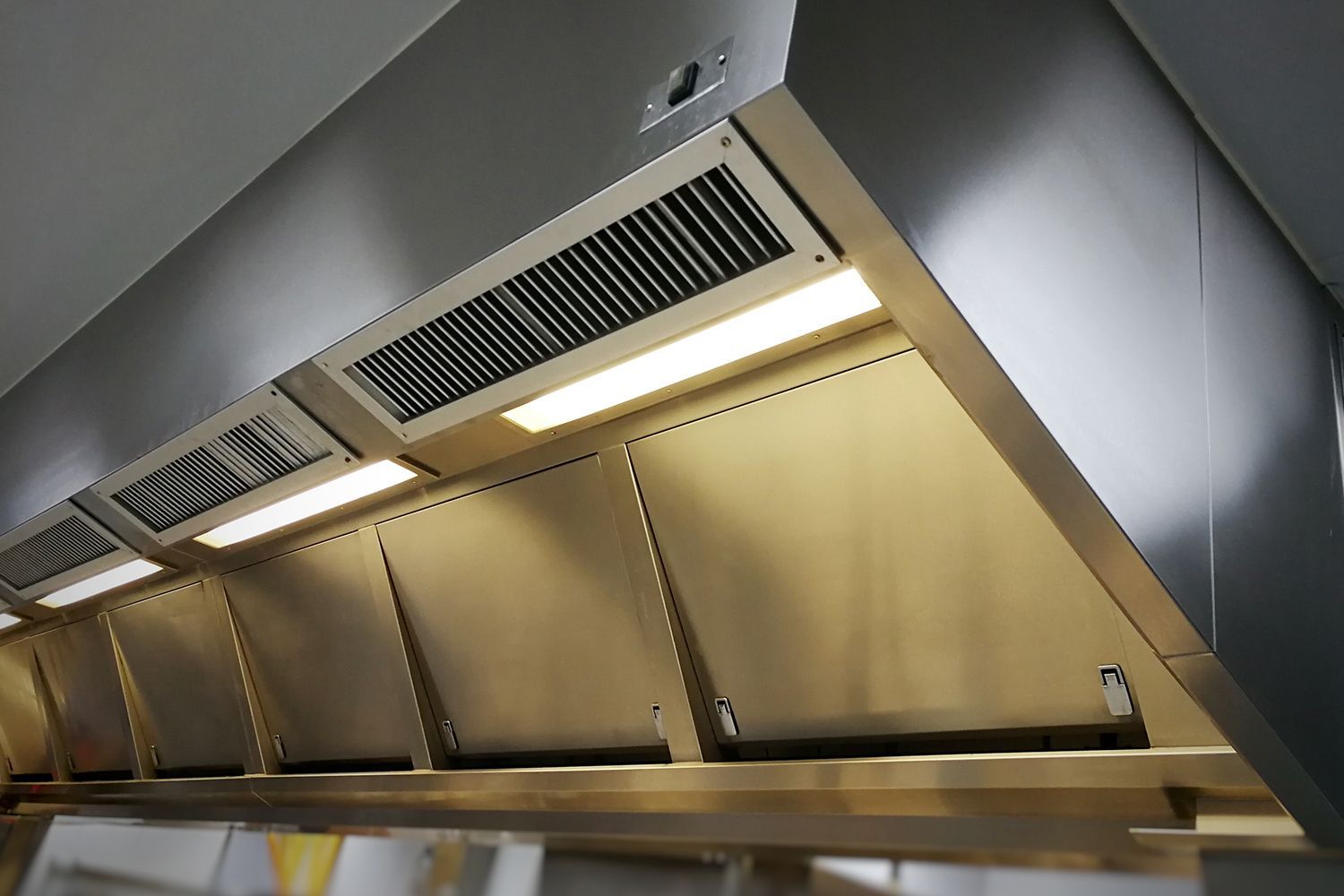
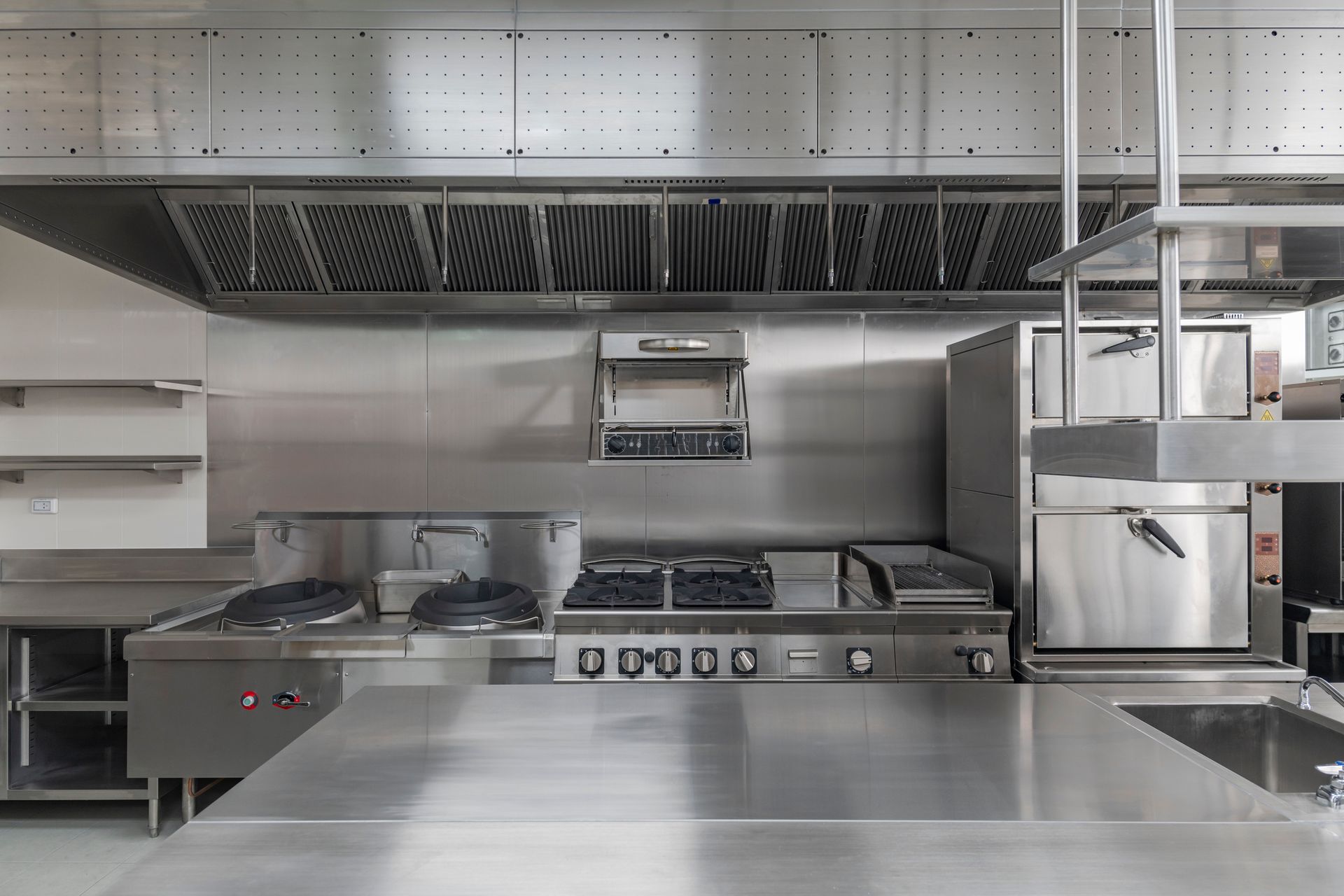
Canopy cleaning focuses on the visible, external surfaces of the rangehood structure. The canopy is the stainless steel housing mounted above cooking equipment. Cleaning this component means degreasing the inner canopy surfaces, the grease collection gutters, and the removable grease filters that sit within the canopy frame.
Canopy cleaning is typically carried out more frequently than a full hood clean. High-volume kitchens, such as busy restaurants and food courts in Joondalup's commercial precincts, may need canopy surfaces and filters cleaned monthly or even more often. This keeps airflow moving efficiently and prevents grease from dripping onto food preparation areas.
It is worth noting that cleaning the canopy alone does not clean the ductwork or fan. Both are separate tasks with separate compliance implications.
How Do These Two Services Differ?
The simplest way to think about it is this: canopy cleaning covers what you can see, while hood cleaning covers what you cannot.
Here is a breakdown of the key differences:
- Canopy cleaning targets the exterior hood casing, inner canopy surfaces, and removable grease filters.
- Hood cleaning targets the plenum, ductwork, grease duct runs, and the exhaust fan on the roof.
- Canopy cleaning may happen monthly or quarterly depending on cooking volume.
- Hood cleaning is typically completed annually or every six months for high-volume operations.
- Both services require documentation for compliance purposes.
Neither service replaces the other. Cleaning only the canopy leaves greasy, flammable residue inside the duct. Cleaning only the ductwork while ignoring the canopy means grease filters and collection trays remain clogged, reducing airflow and creating hygiene issues.
Why Does AS 1851 Apply to Both?
AS 1851 compliance covers both parts of the exhaust system. Australian Standard AS 1851-2012 outlines the minimum inspection, maintenance, and record-keeping requirements that apply to kitchen exhaust systems, including hoods, filters, ducts, and fans. This standard is not optional for commercial kitchen operators; it is a legal requirement tied to fire safety obligations.
Insurance is another critical factor. Insurers typically require documented evidence of cleaning in line with AS 1851 as a condition of coverage. If a fire occurs and records cannot demonstrate compliant cleaning of both the canopy and the ductwork, a claim may be denied.
Every clean should be supported by before-and-after photos, a service report, and a compliance certificate. Businesses in suburbs like Edgewater, Currambine, and across the Joondalup area should keep these records on file and readily accessible for inspections.
How Often Should a Commercial Kitchen Have a Hood Clean?
High-volume kitchens typically require cleaning every six months. Lower-volume operations may meet requirements with an annual clean.
Do Grease Filters Count as Part of Hood Cleaning or Canopy Cleaning?
Grease filters sit within the canopy and are part of the canopy cleaning scope. Ductwork beyond the filters is addressed during the hood clean.
What Documentation Is Required After Each Service?
Each service should produce a written report, photographic evidence, and a compliance certificate referencing AS 1851 to support insurance and safety inspections.
Get Both Services Sorted for Your Kitchen
Keeping on top of both canopy cleaning and commercial kitchen hood cleaning is the most effective way to protect your kitchen, your staff, and your business. Neither service alone covers the full system, and gaps in maintenance can create serious fire and compliance risks.
Metro Filters provides professional commercial kitchen exhaust cleaning and filter services to commercial kitchens across the Perth Metro area, including venues in Joondalup, WA. The team carries out every clean in line with AS 1851 and provides full documentation on completion. To find out more about what is included in a full system clean, visit the commercial exhaust filter services page, or get in touch to book a free inspection and quote. Call 08 9470 2004 to speak with the team directly.